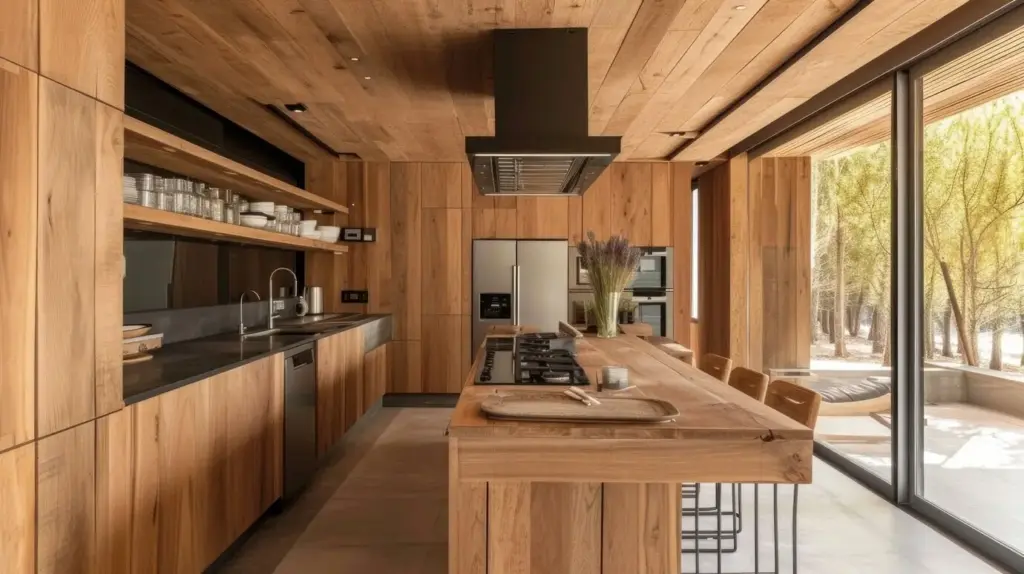
Quiet Elegance, Smart Spending
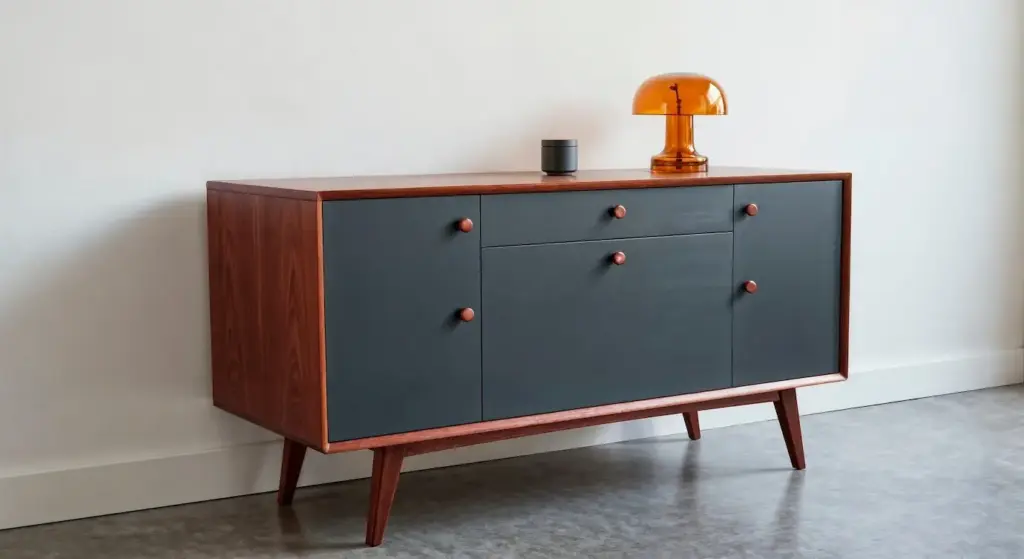

Framing a Smart Budget
Materials That Whisper Luxury
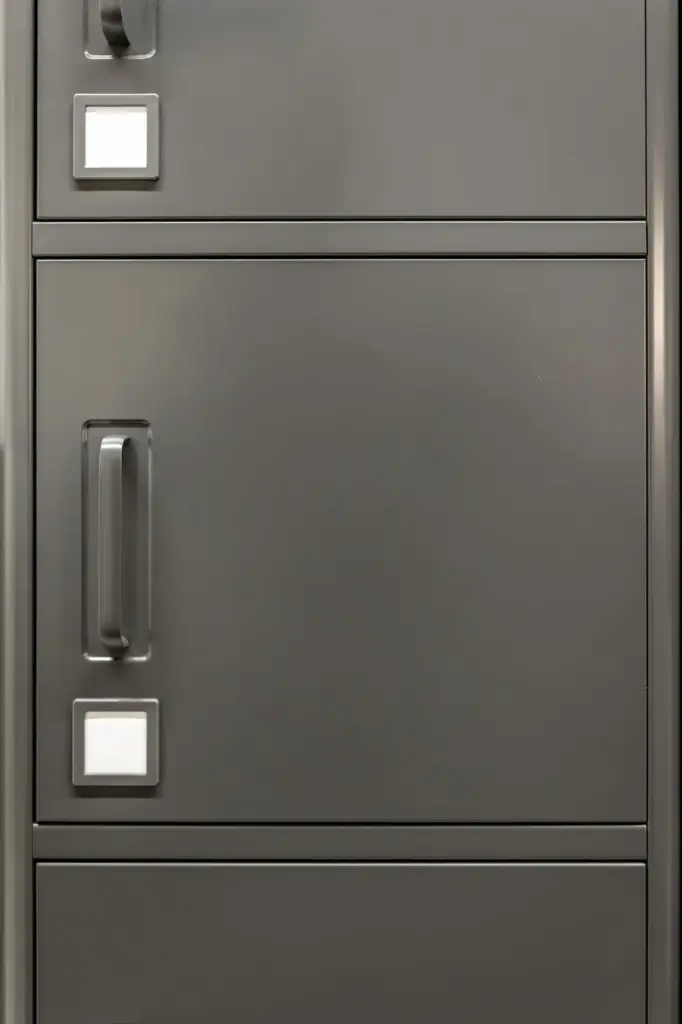
Stone, Surfaces, and Thoughtful Focal Points
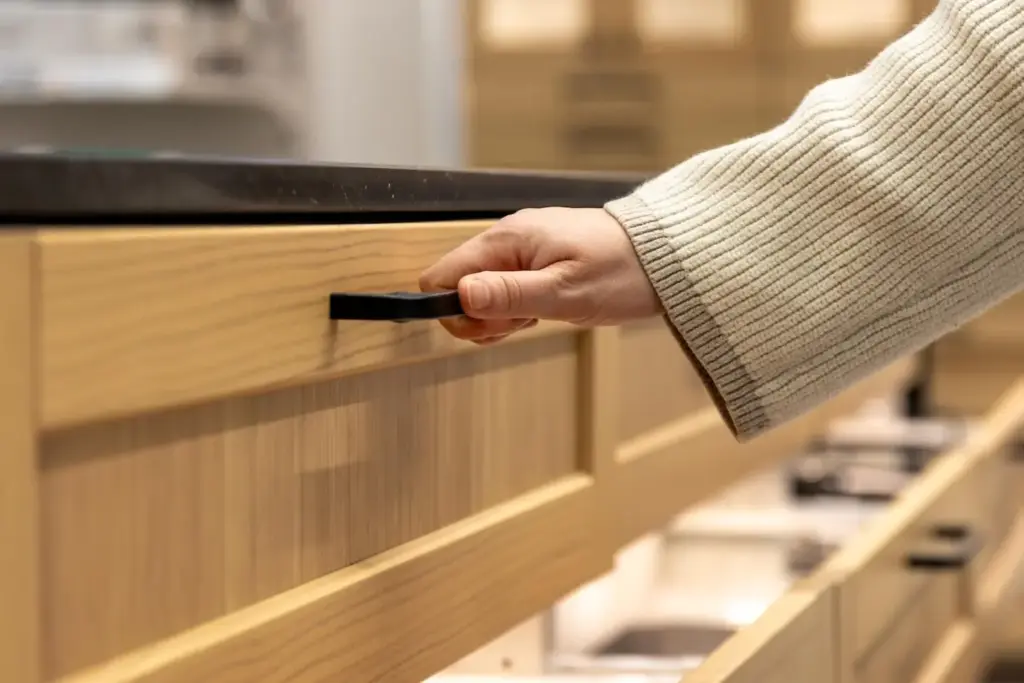
Hardware and Fixtures With Lasting Tactility
Craftsmanship That Makes Minimalism Feel Rich
Millwork Precision and Honest Joints
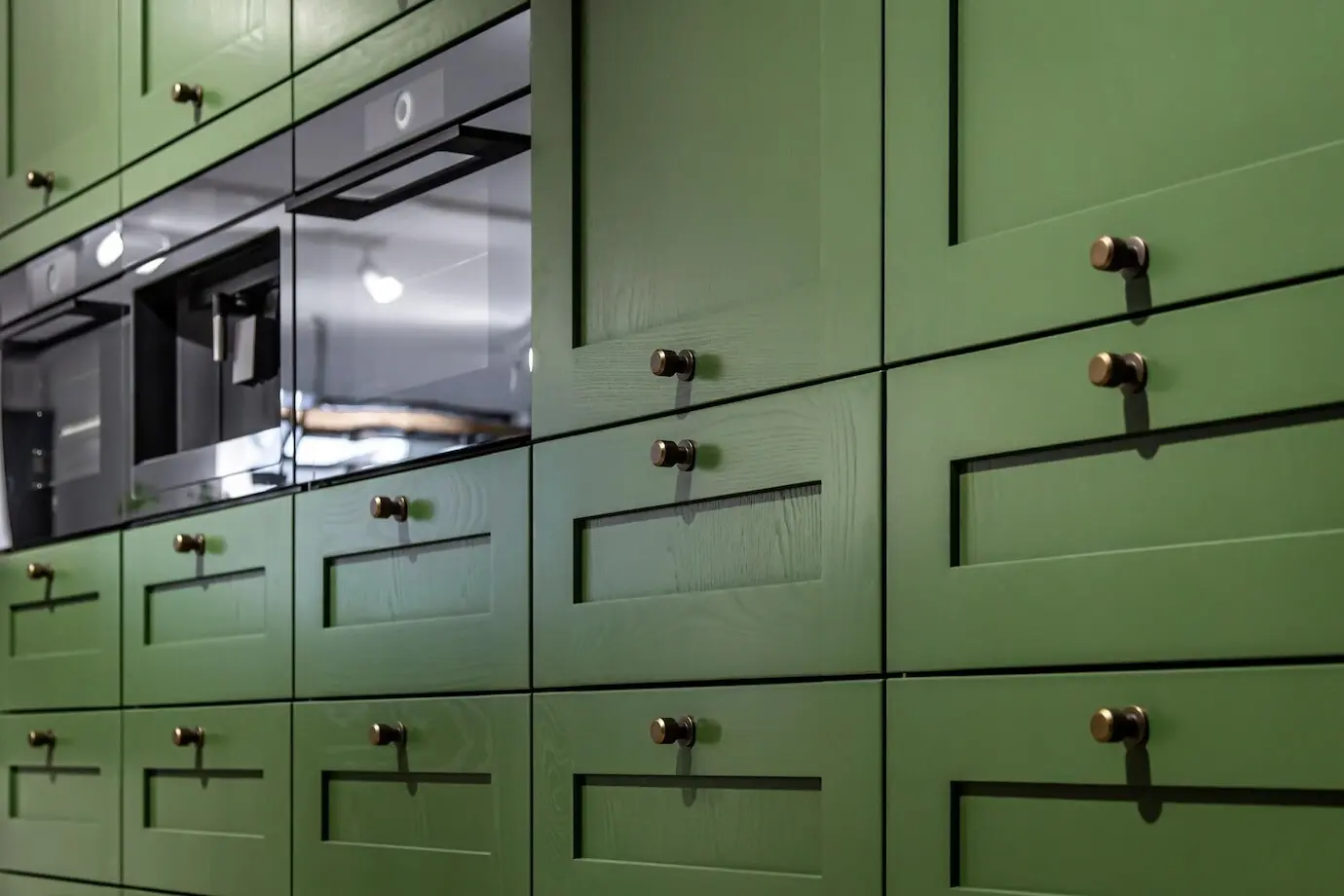
Allocate for stable cores, veneer consistency, and hardware that holds tolerances over time. Demand edge banding that aligns with grain direction and seams positioned away from sightlines. Include shop mockups for reveals and integrated pulls to validate proportions before production. Proper acclimation and humidity control prevent seasonal movement from ruining crisp lines. The result is cabinetry that feels monolithic yet warm. What millwork detail delivered the biggest sense of calm in your space?
Tile Layout, Grout Strategy, and Substrate Perfection
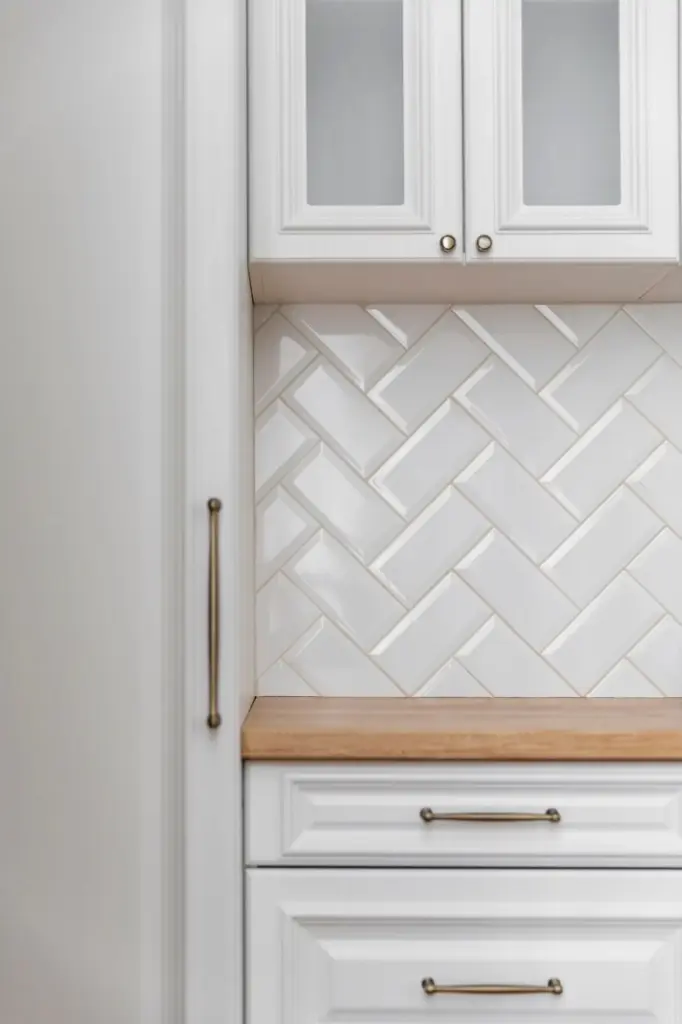
Large-format tiles promise quiet surfaces but demand immaculate substrates to avoid lippage. Budget for leveling compounds, Schluter profiles where needed, and grout color samples under final lighting. Select grout joint widths that respect tile caliber and reduce visual chatter. Consider rectified edges only when installation precision is assured. Place accents sparingly, letting planes stretch uninterrupted. Which tile pattern or grout decision brought balance to your bath or kitchen without distracting from overall clarity?
Doors, Reveals, and Shadow Lines That Breathe
Flush doors, recessed baseboards, and crisp returns require coordinated framing, drywall, and carpentry. Allocate time to align jambs with wall planes, test swing clearances, and conceal transitions cleanly. Shadow gaps can replace trim, but only when substrates are true and corner protection is discreet. The payoff is a breathable, gallery-like calm. Discuss where you used reveals effectively, and where traditional trim provided smarter protection without diluting the quiet character you sought.
Lighting and Acoustics for Calm Confidence
Procurement, Contracts, and Value Engineering That Respect Intent
Bid Leveling and Scope Clarity
Request identical assumptions across bidders: delivery timelines, mockups, warranties, and site protections. Build a comparison matrix that flags missing items and allowances. When a number seems low, ask why—then confirm the scope in writing. Choosing the right partner is about completeness and communication as much as price. This method prevents surprise change orders and aligns expectations. What spreadsheet columns helped you uncover apples-to-oranges proposals and negotiate fair, confident agreements for everyone involved?
Allowances, Alternates, and Lead-Time Strategy
Use allowances for evolving decisions while protecting schedule, and define acceptable alternates that maintain look, feel, and performance. Track lead times obsessively for custom items—hardware, lighting, stone—so installation windows remain firm. Place early orders for critical path components and store securely if necessary. This orchestration costs little compared with delays. Which alternate preserved your vision when a favorite was backordered, and how did you communicate the trade-offs to keep the team aligned?
Mockups, Samples, and Approval Gates
Require real materials under real lighting before committing. Full-size edge details, grout boards, finish samples, and joinery prototypes catch problems early. Photograph and label approvals, then distribute to all trades to prevent drift. Schedule decisive checkpoints to lock choices and avoid cascading revisions. The upfront effort is a fraction of rework costs and preserves calm. What mockup saved your project from a mismatch, and how will you strengthen approvals next time for even smoother execution?
Phasing, Risk, and Long-Term Value