Quiet Elegance, Smart Spending

Today we explore Investing Wisely: Cost Allocation Strategies for Subtle Luxury Remodels, focusing on how to direct every dollar toward lasting comfort, refined materials, and serene detail. Expect clear prioritization frameworks, examples from real projects, and practical guidance that helps you invest where quality is felt daily, and save where it is invisible. Join the conversation, ask questions, and share your approach so we can all refine the art of quiet sophistication without waste.

Framing a Smart Budget

A thoughtful budget for understated luxury begins with aligning emotional goals to measurable line items. Map your aspirations—soft light, silent drawers, seamless stone—onto categories like structure, systems, finishes, and craftsmanship. Allocate deliberately, then protect the plan with contingencies, escalation allowances, and decision deadlines. This balance keeps the remodel calm, ensures suppliers deliver on time, and turns refined intention into reliable execution. Engage by sharing your percentage splits and lessons learned on where spending truly paid off.

Materials That Whisper Luxury

Subtle luxury is a sensory composition, not a label. Materials should invite touch, soften light, and age gracefully. Prioritize authentic textures—stone with honed finishes, solid wood with quiet grain, metals that patinate with dignity. Use strategic focal points while supporting them with background materials that are humble yet beautifully made. Allocate budget for what hands and eyes linger on daily, and standardize where performance is equal. Tell us which material choices surprised you with outsized emotional value.

Stone, Surfaces, and Thoughtful Focal Points

A single slab with excellent veining, perfectly bookmatched or waterfall-edged, can deliver calm drama more effectively than many small statements. Spend where the surface is expansive and continuously visible—kitchen islands, bath vanities, entry benches—then pair with durable, cost-effective surrounds. Consider honed finishes to mute glare and hide micro-scratches. Balance maintenance: sealants, gentle cleaners, and practical edge profiles. Share your favorite surface pairings that balanced cost with serenity, and how you chose between natural and engineered options.

Hardware and Fixtures With Lasting Tactility

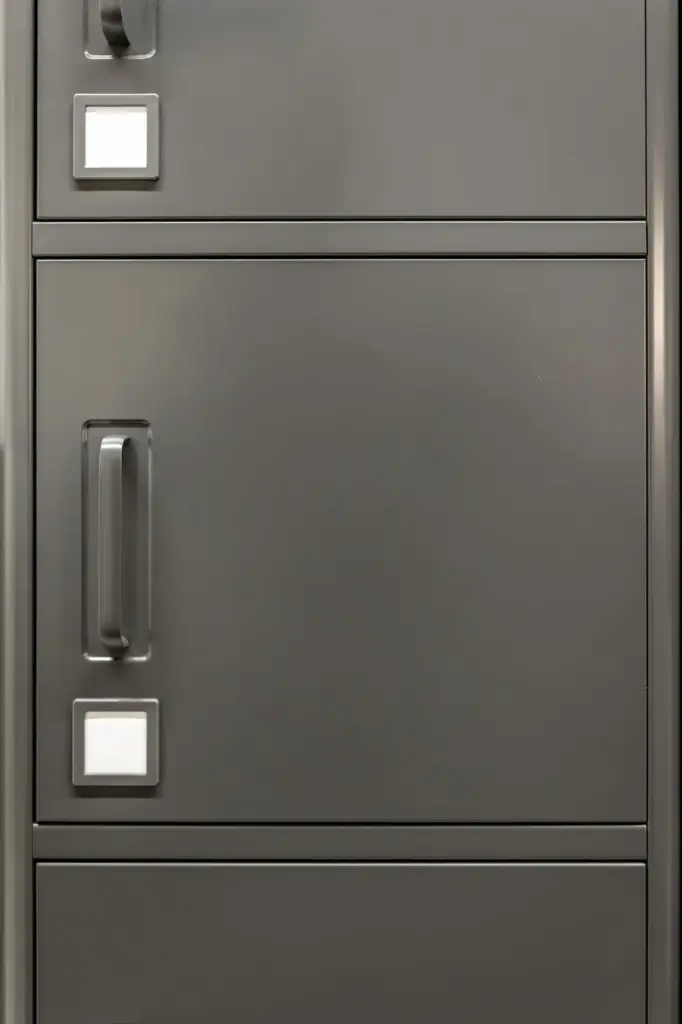
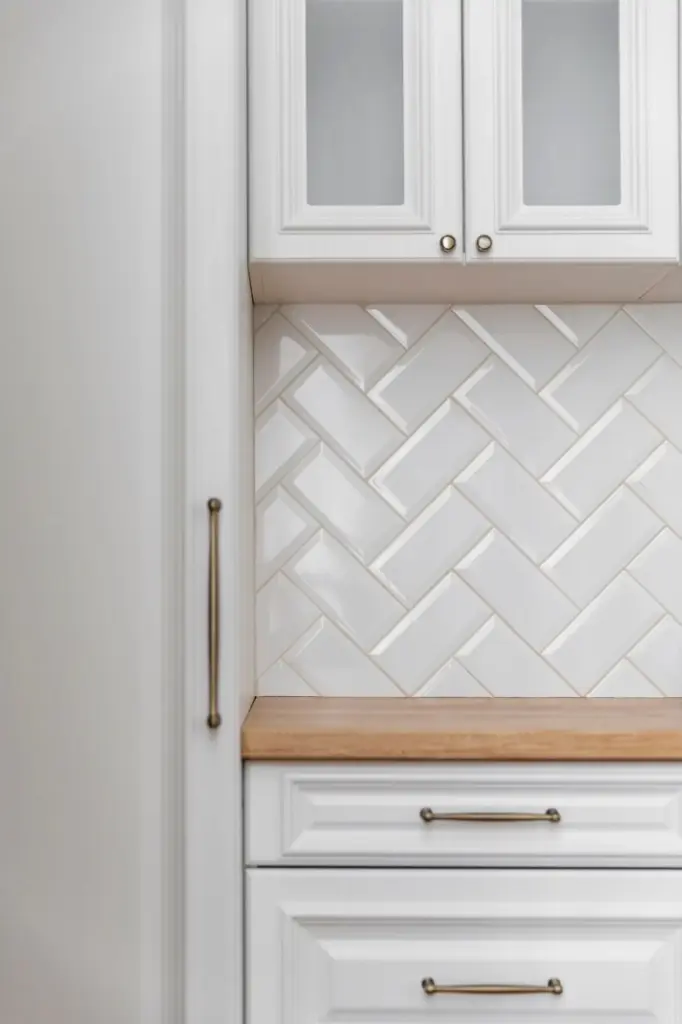
Hands meet hardware hundreds of times a day, making weight, balance, and finish critical. Allocate premium dollars to door levers, cabinet pulls, and faucets that feel substantial and operate smoothly. Choose living finishes where patina tells a quiet story, or durable PVD coatings for long-term consistency. Harmonize warm metals across spaces without forcing perfect matches. Saving on secondary rooms while elevating primary touchpoints keeps costs aligned with experience. Which fixture upgrade transformed your daily rituals unexpectedly?

Craftsmanship That Makes Minimalism Feel Rich

When ornament is quiet, alignment and execution become the drama. Budget time and labor for exact reveals, plumb planes, and consistent shadow gaps. Invest in shop drawings, templates, and dry fits to avoid onsite improvisation. Good carpentry, accurate shimming, and careful substrate prep let minimal detailing sing without calling attention to itself. Allocate savings from fewer decorative elements toward precision. Share your experience with pre-finished millwork versus onsite finishing, and how each impacted schedule and quality.

Millwork Precision and Honest Joints

Allocate for stable cores, veneer consistency, and hardware that holds tolerances over time. Demand edge banding that aligns with grain direction and seams positioned away from sightlines. Include shop mockups for reveals and integrated pulls to validate proportions before production. Proper acclimation and humidity control prevent seasonal movement from ruining crisp lines. The result is cabinetry that feels monolithic yet warm. What millwork detail delivered the biggest sense of calm in your space?

Tile Layout, Grout Strategy, and Substrate Perfection

Large-format tiles promise quiet surfaces but demand immaculate substrates to avoid lippage. Budget for leveling compounds, Schluter profiles where needed, and grout color samples under final lighting. Select grout joint widths that respect tile caliber and reduce visual chatter. Consider rectified edges only when installation precision is assured. Place accents sparingly, letting planes stretch uninterrupted. Which tile pattern or grout decision brought balance to your bath or kitchen without distracting from overall clarity?

Doors, Reveals, and Shadow Lines That Breathe

Flush doors, recessed baseboards, and crisp returns require coordinated framing, drywall, and carpentry. Allocate time to align jambs with wall planes, test swing clearances, and conceal transitions cleanly. Shadow gaps can replace trim, but only when substrates are true and corner protection is discreet. The payoff is a breathable, gallery-like calm. Discuss where you used reveals effectively, and where traditional trim provided smarter protection without diluting the quiet character you sought.

Lighting and Acoustics for Calm Confidence
Subtle luxury depends on how space sounds and glows. Plan layered lighting—ambient, task, and accent—with dimming curves tuned to materials and activities. Budget for silent drivers, consistent color temperatures, and thoughtful aiming. Pair with acoustic strategies that remove harshness: soft finishes, strategic insulation, and resilient mounts. The outcome is felt more than seen, making nights restful and mornings clear. Share your favorite lighting controls, and how acoustic tweaks changed conversations, concentration, and rest.

Procurement, Contracts, and Value Engineering That Respect Intent

Protecting understated elegance requires procurement discipline. Solicit comparable bids, clarify scopes, and level proposals line by line. Use alternates that preserve the look when supply shifts, and insist on submittals for critical finishes. Value engineering should refine, not dilute—simplify details, rationalize sizes, or consolidate fixtures rather than swapping character-defining pieces. Invite collaboration from trades early and document decisions clearly. Share how you kept design integrity intact while steering costs with transparency and care.

Bid Leveling and Scope Clarity

Request identical assumptions across bidders: delivery timelines, mockups, warranties, and site protections. Build a comparison matrix that flags missing items and allowances. When a number seems low, ask why—then confirm the scope in writing. Choosing the right partner is about completeness and communication as much as price. This method prevents surprise change orders and aligns expectations. What spreadsheet columns helped you uncover apples-to-oranges proposals and negotiate fair, confident agreements for everyone involved?

Allowances, Alternates, and Lead-Time Strategy

Use allowances for evolving decisions while protecting schedule, and define acceptable alternates that maintain look, feel, and performance. Track lead times obsessively for custom items—hardware, lighting, stone—so installation windows remain firm. Place early orders for critical path components and store securely if necessary. This orchestration costs little compared with delays. Which alternate preserved your vision when a favorite was backordered, and how did you communicate the trade-offs to keep the team aligned?

Mockups, Samples, and Approval Gates

Require real materials under real lighting before committing. Full-size edge details, grout boards, finish samples, and joinery prototypes catch problems early. Photograph and label approvals, then distribute to all trades to prevent drift. Schedule decisive checkpoints to lock choices and avoid cascading revisions. The upfront effort is a fraction of rework costs and preserves calm. What mockup saved your project from a mismatch, and how will you strengthen approvals next time for even smoother execution?

Phasing, Risk, and Long-Term Value
Quiet luxury compounds over years, not weeks. Phase intelligently to stabilize structure and systems first, then finesse finishes. Analyze lifecycle costs to avoid cheap today, expensive tomorrow. Maintain a living risk register—supply volatility, weather, access—to guide contingency use. Document maintenance protocols so surfaces age gracefully. When resale eventually arrives, appraisers and buyers feel the calm even if they cannot name it. Share your phasing sequence and the long-view decisions that delivered daily satisfaction.
Harufotikexinulanuvana
Privacy Overview

This website uses cookies so that we can provide you with the best user experience possible. Cookie information is stored in your browser and performs functions such as recognising you when you return to our website and helping our team to understand which sections of the website you find most interesting and useful.